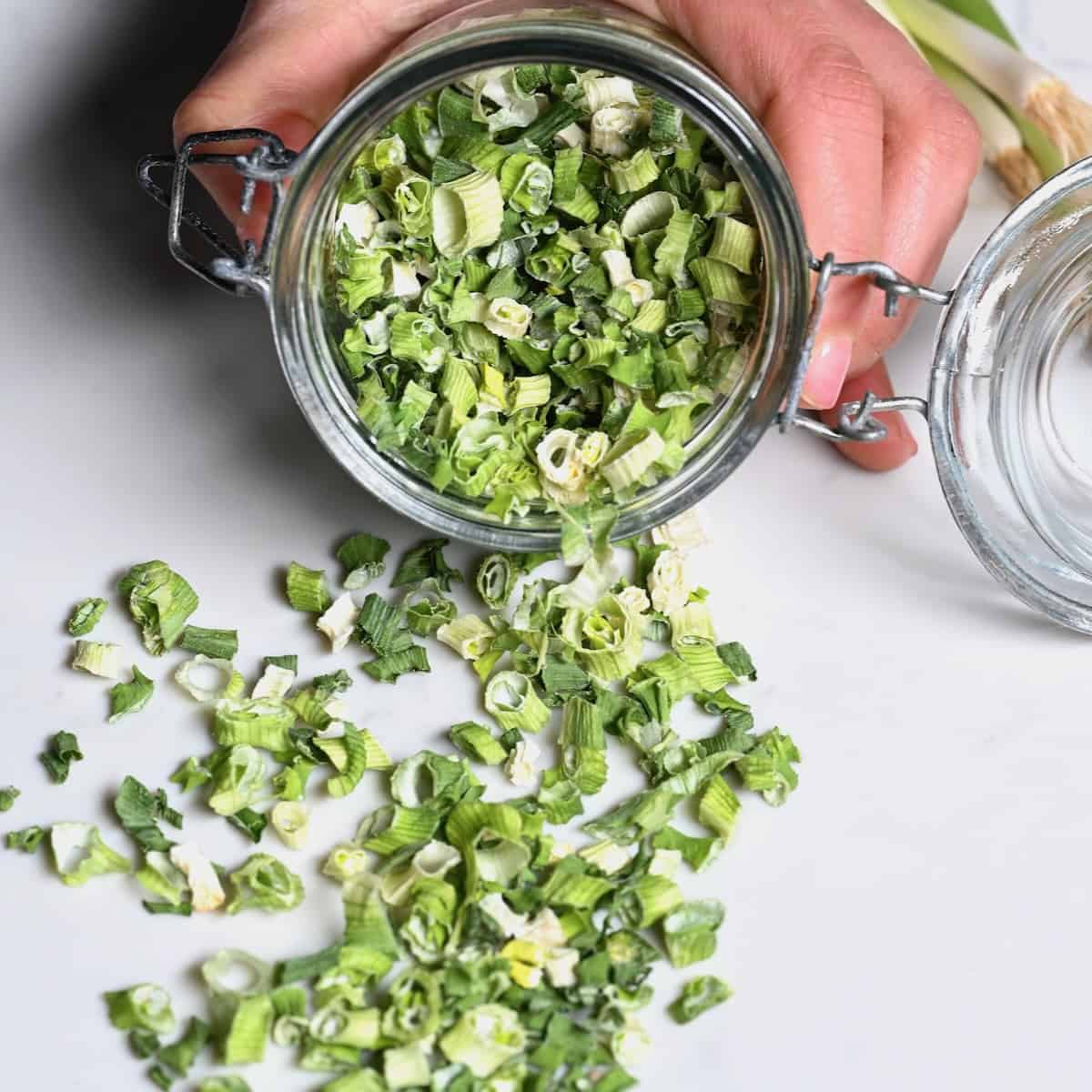
Why Dry Green Onions? Beyond Just Preservation
Green onions, also universally known as scallions, are a vibrant and versatile ingredient, lending their mild, pungent zest to an endless array of dishes. From garnishing stir-fries to elevating omelets, their fresh flavor is indispensable. However, the joy of a fresh bunch of scallions is often short-lived as they tend to wilt and spoil quickly, leading to food waste and frustrating last-minute grocery runs. This is precisely where understanding
how to dry green onions becomes a culinary game-changer.
Drying green onions is more than just a method for extending their shelf life; it's a way to capture and concentrate their delicate flavor, making it available on demand, all year round. Imagine having a ready supply of intensely flavored dried scallions, perfect for sprinkling over your favorite meals without the hassle of chopping fresh ones.
Beyond reducing food waste and ensuring a constant supply, there are several compelling reasons to embrace drying your green onions:
- Concentrated Flavor: The drying process removes moisture, intensifying the natural savory notes of the scallions. A little goes a long way!
- Unmatched Freshness: Homemade dried green onions boast a significantly fresher and more vibrant taste than their store-bought counterparts, which can often taste stale or lack punch.
- Economic Sense: If you're growing your own green onions or find them in abundance at a good price, drying is an excellent way to capitalize on your harvest or a great deal, preventing any produce from going to waste.
- Convenience: Having pre-chopped, dried scallions ready in your pantry saves time during meal prep, especially on busy weeknights.
- Versatility: Dried green onions can be used whole, flaked, or even ground into a powder, offering diverse applications in the kitchen.
It's worth noting a common point of confusion: are green onions and scallions the same? Yes, they are! These terms are often used interchangeably to refer to the young, immature onions with a thin white stem and vibrant green shoots. Spring onions, while similar, typically have a more developed, small bulb at their base and a slightly more intense flavor. Regardless of what you call them, the drying process remains the same, ensuring you get the most out of this delightful allium.
Preparing Your Scallions for Drying: The Essential First Steps
Before you embark on the drying journey, proper preparation is paramount to ensure food safety, optimal drying, and the best possible flavor. This foundational stage is universal, regardless of whether you choose a dehydrator, oven, or microwave for your drying process.
Here’s a step-by-step guide to getting your green onions ready:
- Thorough Washing: Begin by washing your green onions under cool running water. Pay close attention to the areas where the green and white parts meet, as dirt can often accumulate there. Gently separate the layers to clean thoroughly.
- Pat Dry Meticulously: This step is critical. Excess moisture can hinder the drying process and even lead to spoilage. Lay the washed scallions on a clean kitchen towel or paper towels and pat them thoroughly dry. You can also let them air dry for a bit to ensure all surface moisture has evaporated.
- Trim and Clean: Inspect each scallion. Strip away any wilting, bruised, or yellowed outer layers or leaves. These can introduce off-flavors or prevent even drying. Also, trim off the root ends. If you're feeling adventurous and want to grow more, you can save the white bulb ends with a bit of green still attached – they're incredibly easy to regrow in a glass of water!
- Chop Uniformly: Using a sharp knife or kitchen scissors, finely chop the green onions into uniform pieces, ideally around ½ cm (approximately ¼ inch) wide. Uniformity is key for even drying; inconsistent pieces will result in some drying faster than others, leading to potential burning or incomplete dehydration. For a finer flake, you can chop them even smaller.
With your green onions impeccably cleaned, trimmed, and uniformly chopped, you’re now ready for the actual drying process, which can be accomplished through several accessible methods.
Mastering Different Drying Methods: Dehydrator, Oven, and Microwave
Now that your green onions are prepped, it's time to choose your drying method. Each option offers distinct advantages, catering to different equipment availability and time commitments. For an in-depth exploration of each method, including precise timings and advanced tips, be sure to check out our comprehensive guide:
How to Dry Green Onions: Dehydrator, Oven, & Microwave Methods.
Using a Food Dehydrator for Optimal Results
A food dehydrator is often the preferred tool for drying green onions due to its precise temperature control and consistent airflow, which lead to superior results.
- Arrange on Trays: Spread your uniformly chopped green onions in a single layer across the dehydrator trays. Ensure there’s ample space between pieces for efficient airflow. Overcrowding will prolong drying time.
- Set Temperature and Time: Dehydrate at a low temperature, typically around 105ºF (40ºC). The drying process usually takes between 6-8 hours, but this can vary based on humidity and the thickness of your scallion pieces.
- Check for Dryness: The most important indicator of doneness is texture. The dried scallions should be brittle and snap easily when bent, not merely flexible. Remember that they will continue to crisp up as they cool, so it's a good idea to let a few pieces cool for 10-15 minutes before making a final assessment.
Drying Green Onions in Your Oven
If you don't own a dehydrator, your oven can serve as an effective alternative, though it requires more vigilance.
- Prepare Baking Sheets: Line a baking sheet with parchment paper. Spread the chopped green onions evenly in a single layer, ensuring good airflow. It can be beneficial to separate the white and green portions, as the whites tend to have more moisture and may take slightly longer to dry.
- Low Temperature, Long Bake: Set your oven to its absolute lowest temperature, typically around 125ºF (52ºC). If your oven has a "dehydrate" or "warm" setting that goes even lower (e.g., 105ºF/40ºC), use that for a gentler process.
- Monitor Closely: Dehydrate for approximately 3-4 hours, or until crisp. It's crucial to monitor them frequently, especially towards the end, to prevent burning. You might also want to prop the oven door slightly ajar with a wooden spoon to allow moisture to escape. Rotate the trays occasionally for even drying.
Quick-Drying with a Microwave (Caution Advised)
While not ideal for large batches, a microwave can quickly dry small quantities of green onions, especially for immediate use. This method is fast but demands constant attention to prevent burning.
- Small Batches: Spread a thin layer of chopped green onions on a microwave-safe plate lined with parchment paper.
- Short Bursts: Microwave on high for 30-second intervals, stirring the scallions after each burst. Continue until they are brittle and dry. This could take anywhere from 1-3 minutes depending on your microwave's power and the amount of scallions.
- Watch Like a Hawk: Green onions can go from perfectly dry to burnt very quickly in a microwave. Stay by the microwave and check them constantly.
Storing Your Dried Scallions & Creative Uses
Once your green onions are perfectly dry and brittle, the next crucial step is proper storage to maintain their flavor and extend their shelf life. Then, unlock their culinary potential in a myriad of dishes!
Optimal Storage for Long-Lasting Flavor
For truly long-term preservation, ensure your dried green onions are completely cool before storing. Any residual warmth can create condensation, leading to spoilage.
- Airtight Containers: Transfer the cooled, dried green onions into airtight jars, zip-top bags, or other sealed containers. Mason jars work exceptionally well.
- Cool, Dark Place: Store the containers in a cool, dark pantry or cupboard, away from direct sunlight, heat, and humidity. These elements can degrade their flavor and color over time.
- Longevity: Properly dried and stored green onions can last for up to a year or even longer, retaining their potent flavor and vibrant green hue. For maximum freshness, it's generally best to use them within 6-9 months.
Unleashing Culinary Creativity with Dried Scallions
The beauty of dried green onions lies in their concentrated flavor and convenience. They rehydrate quickly in moist dishes or can add a delightful crunch and aroma when sprinkled directly. Explore their versatility with these ideas:
- Soups and Stews: A classic application! Add dried scallions to simmering broths, hearty stews, or creamy chowders. They'll rehydrate and infuse the dish with a mild oniony depth.
- Egg Dishes: Elevate scrambled eggs, omelets, frittatas, or quiches with a sprinkle of dried scallions for a pop of color and flavor.
- Stir-Fries and Noodle Dishes: Toss them into your favorite stir-fries or ramen bowls during the last few minutes of cooking for a fresh finish.
- Dressings and Marinades: Rehydrate them in a little water or vinegar, then blend into salad dressings, vinaigrettes, or meat marinades.
- Seasoning Blends: Grind your dried green onions into a powder to create your own homemade onion powder, or mix them with other dried herbs and spices for custom seasoning rubs. They are a fantastic addition to "everything bagel" seasoning.
- Garnish Galore: Sprinkle them over baked potatoes, grilled meats, pasta salads, or even popcorn for an instant flavor and visual boost.
- Bread and Baked Goods: Fold them into savory scones, quick breads, or dinner rolls for an herbaceous twist.
With these simple drying methods, you're not just preserving green onions; you're preserving their essence, ensuring that their fresh, mild oniony flavor is always at your fingertips. To discover even more brilliant ways to keep your kitchen stocked with this invaluable ingredient, delve into our guide on
Preserve Green Onions Year-Round: Easy Drying Methods at Home.
Conclusion
Learning
how to dry green onions is a straightforward and rewarding culinary skill that pays dividends in your kitchen. It’s an effective way to minimize food waste, maximize flavor, and ensure you always have this versatile ingredient on hand. Whether you opt for the precision of a dehydrator, the accessibility of an oven, or the speed of a microwave, the process empowers you to transform an abundant harvest or a smart purchase into a long-lasting pantry staple. By following these simple steps, you can enjoy the vibrant, concentrated flavor of dried scallions in your cooking throughout the year, adding a professional touch to your meals and making every dish a little more delicious.