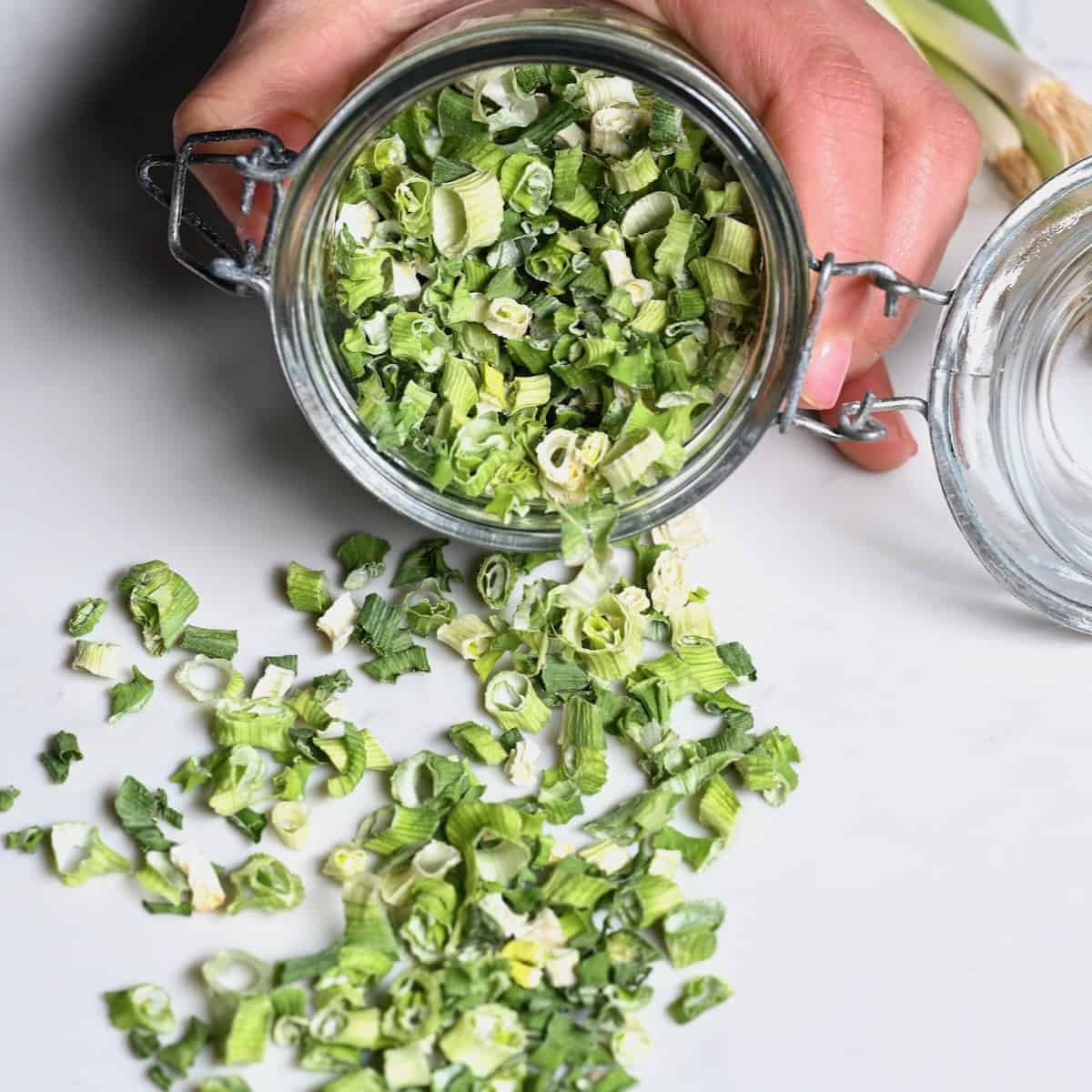
Do you often find yourself with an abundance of vibrant green onions, only for them to wilt away in your refrigerator before you can use them all? It’s a common culinary dilemma, but there’s a simple, effective solution that will allow you to enjoy their fresh, zesty flavor year-round: drying them at home! Learning how to dry green onions is a game-changer for reducing food waste, extending shelf life, and ensuring you always have this versatile ingredient on hand.
Drying green onions, also known as scallions, concentrates their mild onion flavor and preserves their bright green color. Unlike store-bought dried options, homemade versions offer superior freshness and taste, elevating your dishes from a quick omelet to a hearty stew. Whether you prefer them as delicate flakes, crisp slices, or even a flavorful powder, the process is straightforward and accessible, even without a specialized dehydrator. Get ready to unlock the full potential of your green onions and transform your kitchen into a hub of year-round flavor!
Understanding Green Onions: Scallions, Spring Onions, and More
Before diving into the drying methods, let's clear up some common confusion surrounding these verdant alliums. The terms "green onions" and "scallions" are, for all practical purposes, interchangeable. They both refer to young onions harvested before a significant bulb forms. Characterized by their long, hollow green shoots and a small, undeveloped white base, they offer a mild, slightly sweet onion flavor perfect for garnishing, stir-fries, and countless other dishes.
Where the confusion often arises is with "spring onions." While some regions (like the UK and Canada) use "spring onions" interchangeably with green onions and scallions, in other parts of the world, spring onions refer to a plant that has been allowed to mature slightly longer, developing a small, distinct bulb at its base. These typically have a slightly stronger, more pungent flavor than green onions/scallions. For the purpose of drying, the methods described here apply to all varieties, though the thicker, whiter parts of spring onions might take marginally longer to dry. Understanding this distinction helps ensure consistency in your dried product and culinary applications.
Essential Preparation for Perfect Dried Green Onions
Regardless of the drying method you choose, proper preparation is the cornerstone of successful dried green onions. Taking a few moments to prepare them correctly will ensure even drying, optimal flavor, and a longer shelf life for your preserved produce.
- Thorough Washing: Begin by washing your green onions meticulously under cool running water. Pay close attention to the areas where the green shoots meet the white base, as dirt and grit can often hide there.
- Pat Dry, Thoroughly: After washing, pat the green onions completely dry with a clean kitchen towel or paper towels. Excess moisture will significantly prolong the drying process and can even lead to spoilage or mold.
- Trim and Strip: Inspect your green onions for any wilted, bruised, or yellowed outer layers or leaves. Strip these away. Also, trim off the root ends. If you're keen on regrowing green onions, simply leave about an inch of the white bulb with the roots attached and place them in a glass of water to sprout anew!
- Chop Uniformly: Using a sharp knife or kitchen scissors, finely chop the green onions into uniform pieces, ideally about ½ cm (¼ inch) wide. Consistency in size is key for even drying. Larger pieces, especially the thicker white parts, will take longer to dry than the thinner green tops. If you have a mix, you might consider separating the white and green portions to dry them at slightly different rates, or simply giving the white parts a head start.
Drying Green Onions with a Dehydrator: The Gold Standard
For those serious about preserving produce, a food dehydrator is undoubtedly the most efficient and reliable tool for drying green onions. It offers precise temperature control and consistent airflow, leading to perfectly dried, crisp results every time.
Once your green onions are washed, dried, and uniformly chopped:
- Spread Evenly: Arrange the chopped green onion pieces in a single layer across your dehydrator trays. Ensure there's adequate space between the pieces to allow for optimal air circulation. Overcrowding will extend the drying time.
- Set Temperature: Set your dehydrator to a low temperature, ideally around 105ºF (40ºC). This gentle heat preserves more of the green onions' flavor and vibrant color.
- Dehydrate: Allow the green onions to dehydrate for approximately 6-8 hours. The exact time can vary depending on your dehydrator model, humidity levels, and the moisture content of your onions.
- Test for Doneness: The ultimate test for perfectly dried green onions is their texture. They should be brittle and snap easily when bent, not merely bend or feel rubbery. Remember that they will continue to crisp up as they cool, so it's a good practice to let a few pieces cool for 10-15 minutes before performing the final snap test. If they're still flexible, return them to the dehydrator for another hour or two.
For a detailed breakdown of this and other methods, you can refer to our comprehensive guide: How to Dry Green Onions: Dehydrator, Oven, & Microwave Methods.
Drying Green Onions Without a Dehydrator: Oven & Microwave Methods
No dehydrator? No problem! You can still achieve excellent results using common kitchen appliances like your oven or microwave. While they might require a bit more vigilance, these methods are perfectly viable for preserving your green onions.
Oven Drying for Crisp Green Onions
The oven is a fantastic alternative for dehydrating green onions, especially for larger batches. The key is to use the lowest possible temperature to gently remove moisture without cooking or burning them.
- Prepare & Arrange: After washing and chopping, spread the green onion pieces in a single, even layer on a baking sheet lined with parchment paper. Again, ensure good airflow by not overcrowding the tray. If you have thicker white pieces, consider placing them on a separate section or giving them more space, as they will take longer to dry.
- Low Heat: Set your oven to its absolute lowest temperature, typically around 125ºF (52ºC). If your oven has a "dehydrate" or "warm" setting that goes even lower (e.g., 105ºF/40ºC), that's even better, though it might extend the drying time to 6-8 hours, similar to a dedicated dehydrator.
- Dehydrate & Monitor: Bake for approximately 3-4 hours, or until the green onions are completely crisp and brittle. It is crucial to check them every hour or so, gently stirring them, to ensure even drying and prevent burning. You can prop the oven door open slightly with a wooden spoon to allow moisture to escape, enhancing the drying process.
- Cool & Test: Remove from the oven and allow to cool completely. They should be dry enough to snap. If not, return them to the oven for additional time.
Quick Microwave Drying (for Small Batches)
For very small quantities or when you need dried green onions in a pinch, the microwave can be surprisingly effective. However, it requires careful monitoring as burning can happen very quickly.
- Thin Layer: Spread a single, thin layer of chopped green onions on a paper towel-lined microwave-safe plate. Cover with another paper towel.
- Short Bursts: Microwave on high for 30 seconds.
- Stir & Repeat: Remove, stir the green onions, and check for crispness. Return to the microwave and repeat in 15-30 second intervals until they are dry and brittle. This process typically takes 1-3 minutes in total, depending on your microwave's power and the quantity of green onions.
- Cool: Let them cool completely before storing.
Mastering these techniques will allow you to Dry Scallions Like a Pro: Extend Shelf Life & Boost Flavor regardless of your equipment.
Storage and Culinary Uses of Your Dried Green Onions
Once your green onions are perfectly dry and brittle, proper storage is essential to maintain their quality and prolong their shelf life. Allow them to cool completely at room temperature before storing.
Optimal Storage
- Airtight Containers: Transfer the cooled, dried green onions into airtight containers, such as glass jars with tight-fitting lids or vacuum-sealed bags. Exposure to air and moisture is the enemy of dried goods.
- Cool, Dark Place: Store your containers in a cool, dark pantry or cupboard. Heat and light can degrade their color and flavor over time.
- "Conditioning" (Optional but Recommended): For the first few days after drying, check your containers daily for any signs of condensation or moisture. Shake the jars to redistribute the contents. If you notice any moisture, return the green onions to your chosen drying method for a bit longer. This "conditioning" step helps ensure all residual moisture is gone, preventing mold.
- Shelf Life: Stored correctly, dried green onions can last for 6-12 months, retaining much of their original flavor and aroma.
Versatile Culinary Uses
Dried green onions are incredibly versatile and can be used in almost any dish where you'd typically use fresh ones, offering a convenient burst of onion flavor without the chopping. They rehydrate quickly in liquids or can be used dry for texture and concentrated flavor.
- Soups and Stews: Add them directly to broths, soups, and stews during cooking. They will rehydrate beautifully and infuse the dish with a savory depth.
- Egg Dishes: Sprinkle into scrambled eggs, omelets, or frittatas for a quick flavor boost.
- Seasoning Blends: Incorporate them into homemade seasoning mixes for roasted vegetables, meats, or poultry.
- Asian Cuisine: Rehydrate and use as a garnish for ramen, stir-fries, fried rice, or noodle dishes. Their vibrant color adds visual appeal.
- Green Onion Powder: For an even more versatile ingredient, grind your dried green onion flakes into a fine powder using a spice grinder or blender. This powder can be added to dips, dressings, rubs, or used as a finishing spice.
- Baked Goods: Experiment by adding them to savory muffins, scones, or bread for an unexpected twist.
Whether you're looking to reduce food waste, prepare for culinary adventures, or simply enjoy the convenience of year-round flavor, mastering how to dry green onions is an invaluable skill. From the initial preparation to the various drying techniques and optimal storage, you now have the knowledge to preserve these flavorful alliums with confidence. Say goodbye to wilted greens and hello to a pantry stocked with your own homemade dried green onions, ready to elevate any meal. Embrace this simple preservation method and savor the taste of fresh green onions, no matter the season!
