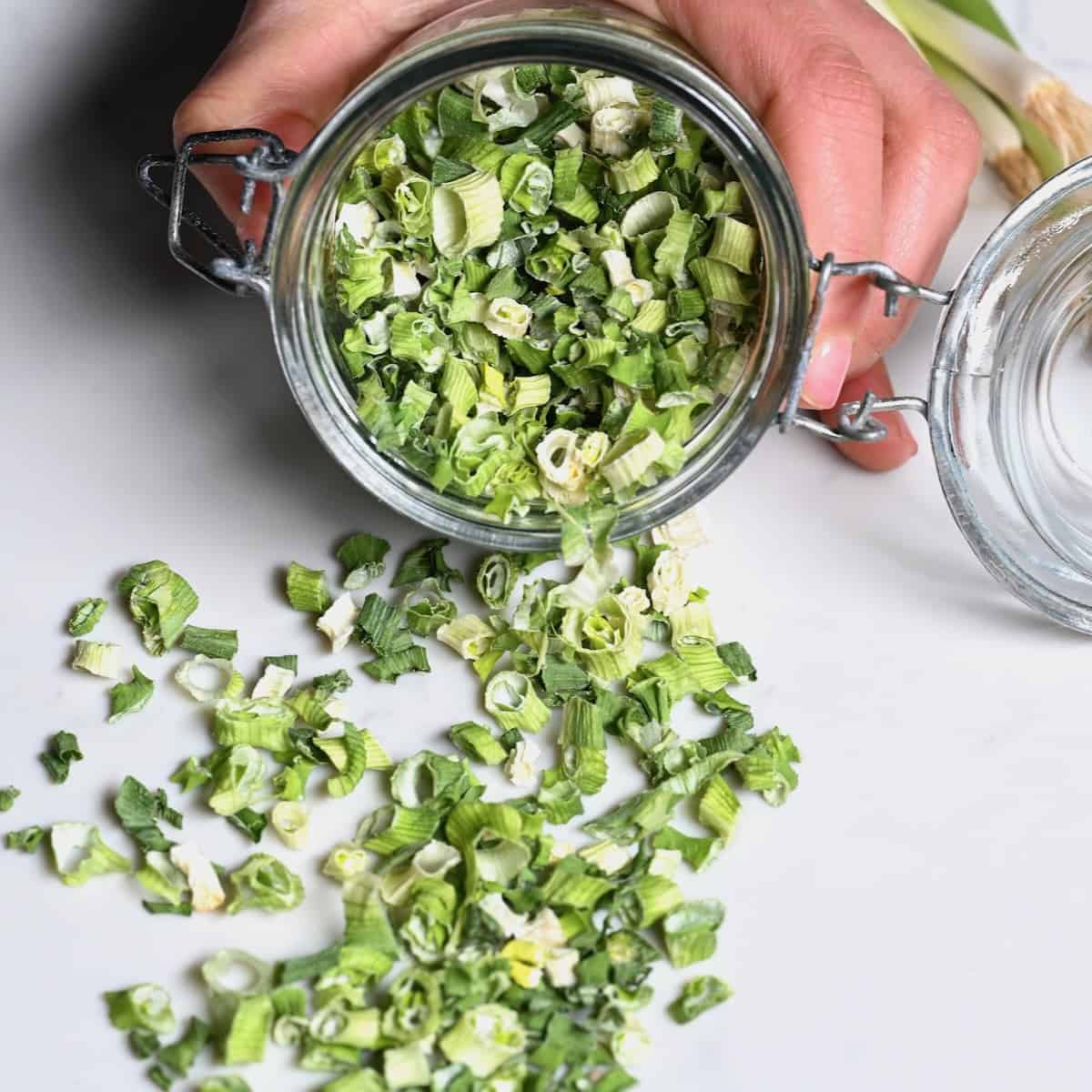
How to Dry Green Onions: Dehydrator, Oven, & Microwave Methods
Green onions, also known as scallions, are a vibrant and versatile ingredient cherished in kitchens worldwide. Their mild, zesty flavor elevates everything from stir-fries and salads to soups and omelets. However, these delicate alliums have a short shelf life, often wilting before you can enjoy them all. If you find yourself with an abundant harvest from your garden or a bulk purchase that’s nearing its prime, learning
how to dry green onions is an invaluable skill. This preservation method not only extends their usability for months but also concentrates their flavor, making them a pantry staple that's ready whenever inspiration strikes.
Drying your own green onions at home offers a superior alternative to most store-bought dried options. You control the quality, ensuring a fresher, more potent flavor free from unwanted additives. It's a fantastic way to minimize food waste and maximize your culinary creativity. In this comprehensive guide, we'll explore three effective methods – using a dehydrator, an oven, or even a microwave – providing step-by-step instructions and expert tips to help you preserve this delicious ingredient all year long. You'll be amazed at how simple and rewarding it is to transform fresh green onions into a versatile dried commodity.
Green Onions, Scallions, or Spring Onions? Unraveling the Nomenclature
Before we dive into the drying process, let’s clear up a common point of confusion: are green onions, scallions, and spring onions the same thing? For the most part, yes. In North America, "green onions" and "scallions" are often used interchangeably to refer to the same young onion plant, characterized by its slender white base and vibrant green shoots, harvested before a significant bulb forms. Their flavor is mild and crisp.
"Spring onions," however, can sometimes refer to a slightly more mature plant with a small, discernible bulb at its base, offering a slightly more intense onion flavor. Adding to the confusion, in some regions like the UK and Canada, "green onions" are frequently labeled as "spring onions" regardless of bulb size. For the purpose of drying, these distinctions are largely negligible; the preparation and drying methods apply universally to all these young alliums. The key is their fresh, leafy green and tender white parts.
Essential Preparation for Perfectly Dried Green Onions
Regardless of which drying method you choose, proper preparation is the cornerstone of successful preservation. Taking a few minutes to clean and chop your green onions correctly will ensure even drying and a high-quality finished product.
1.
Wash Thoroughly: Begin by washing your green onions under cool, running water. Pay close attention to the white and light green parts, as these can sometimes trap soil. Gently rub away any dirt or debris.
2.
Pat Dry: Excess moisture is the enemy of drying, as it prolongs the process and can even lead to spoilage. Lay the washed green onions on a clean kitchen towel or paper towels and gently pat them completely dry. Air drying for a short period can also help, but ensure they are truly moisture-free.
3.
Strip and Trim: Inspect each green onion. Remove any wilted, bruised, yellowed, or brown outer layers or leaves. Trim off the very root ends – the stringy, fibrous parts at the bottom.
4.
Uniform Chopping: This is a crucial step for even drying. Using a sharp knife or kitchen scissors, finely chop the green onions into uniform pieces, ideally about ½ cm (¼ inch) wide. Uniformity ensures that all pieces dry at roughly the same rate, preventing some from burning while others remain damp. You can chop both the white and green sections, though keep in mind the white parts are denser and may take slightly longer to dry.
5.
Consider Replanting: If you leave a bit more of the white bulb (about an inch) with the root intact, you can save these ends to replant! It’s an incredibly easy and rewarding way to regrow green onions, providing a continuous supply. Simply place them in a shallow glass of water on a windowsill or plant directly in soil.
Mastering the Art of Drying Green Onions: Three Effective Methods
Once your green onions are prepped and uniformly chopped, it's time to choose your drying method. Each offers unique advantages in terms of control, speed, and energy efficiency.
The Dehydrator Method: Precision and Consistency
A food dehydrator is often the preferred method for drying green onions and other herbs because it provides a consistent, low-temperature environment that gently removes moisture without cooking the produce. This preserves more of their vibrant color, flavor, and nutrients.
1.
Arrange Evenly: Spread the chopped green onion pieces in a single layer across your dehydrator trays. Ensure there’s ample space between pieces for optimal airflow. Overcrowding will extend drying time and can lead to uneven results.
2.
Set Temperature: Set your dehydrator to a low temperature, typically around 105°F (40°C). This gentle heat is ideal for delicate greens, allowing them to dry without losing their essential oils and color.
3.
Dehydrate: Allow the green onions to dehydrate for approximately 6-8 hours. The exact time can vary based on the humidity in your environment, the thickness of your cuts, and your dehydrator model.
4.
Test for Doneness: The green onions are fully dehydrated when they are completely dry and brittle, snapping easily when bent rather than feeling flexible or rubbery. An important tip: allow a few pieces to cool for 10-15 minutes before testing. Dehydrated items will crisp up more as they cool.
The consistent airflow and precise temperature control of a dehydrator make it an excellent investment for anyone serious about food preservation, especially for tasks like drying
Dry Scallions Like a Pro: Extend Shelf Life & Boost Flavor.
The Oven Method: Accessible and Efficient
If you don't own a dedicated dehydrator, your conventional oven can serve as an excellent alternative. While it requires more monitoring, it's a perfectly viable way to achieve perfectly dried green onions.
1.
Prepare Baking Sheet: Line a large baking sheet with parchment paper. This prevents sticking and makes cleanup easier.
2.
Spread Evenly: Spread the chopped green onion pieces in a single, even layer on the parchment-lined sheet. Again, avoid overcrowding. If you have a mix of white and green parts, consider separating them onto different sections of the tray or even separate trays, as the denser white parts often take longer to dry.
3.
Lowest Temperature Setting: Set your oven to its absolute lowest temperature setting. This is often around 125°F (52°C) or sometimes as low as 150°F (65°C). The goal is to dehydrate, not to bake or cook. If your oven has a "dehydrate" or "warm" setting that goes as low as 105°F (40°C), even better – you can follow the dehydrator timings (6-8 hours).
4.
Dehydrate and Monitor: Place the baking sheet in the oven and leave the oven door slightly ajar (a wooden spoon can help prop it open). This allows moisture to escape and prevents the onions from steaming. Dehydrate for approximately 3-4 hours, or until crisp. It's crucial to monitor them frequently, especially in the last hour, to prevent burning. Gently stir or flip the pieces every 30-60 minutes to promote even drying.
5.
Test for Doneness: As with the dehydrator method, the green onions should be brittle and snap easily once completely cooled.
The Microwave Method: Quick Fix for Small Batches
While not ideal for large quantities, the microwave offers a rapid solution for drying small amounts of green onions in a pinch. It requires very careful attention to avoid burning.
1.
Prepare Plate: Line a microwave-safe plate with a paper towel. Spread a small handful of chopped green onions in a single layer on top of the paper towel. Place another paper towel over the green onions. The paper towels help absorb moisture.
2.
Microwave in Bursts: Microwave on high for 30 seconds. Remove the plate, toss the green onions, and check their dryness. Continue microwaving in 15-30 second bursts, tossing and checking after each interval.
3.
Monitor Closely: This method is fast, but prone to burning. Watch the green onions constantly. As they dry, they can go from perfectly dehydrated to burnt in a matter of seconds. The total time will likely be 2-4 minutes, depending on your microwave's power and the quantity.
4.
Test for Doneness: Once cooled, the green onions should be crispy and easily crumbled. If they still feel bendy, continue with short bursts.
This method is best reserved for when you need a tiny amount of dried green onions quickly and don't want to power up an oven or dehydrator. For larger batches or superior quality, stick to the dehydrator or oven.
Storing Your Dried Green Onions for Lasting Freshness
Once your green onions are thoroughly dried and completely cooled, proper storage is key to maintaining their potency and extending their shelf life.
*
Airtight Containers: Transfer the dried green onions to clean, airtight containers. Glass jars with tight-fitting lids or vacuum-seal bags are excellent choices.
*
Cool, Dark Place: Store the containers in a cool, dark, and dry pantry or cupboard. Exposure to light, heat, or humidity can degrade their flavor and shorten their shelf life.
*
Conditioning (Optional but Recommended): For optimal storage and to catch any lingering moisture, consider "conditioning" your dried green onions. After drying, place them loosely in a jar for a few days, shaking daily. If you notice any condensation or soft spots, return them to the drying method for a bit longer.
*
Shelf Life: Stored correctly, dried green onions can last for 6-12 months, sometimes even longer, retaining much of their flavor and aroma.
Creative Ways to Use Your Home-Dried Green Onions
The versatility of dried green onions knows no bounds. They can be used whole as flakes, or ground into a fine powder for an intense flavor boost.
*
Soups and Stews: Sprinkle them into broths, chilis, and hearty stews during the last 10-15 minutes of cooking to rehydrate and infuse flavor.
*
Eggs: Add to scrambled eggs, omelets, or frittatas for a mild oniony kick.
*
Dips and Dressings: Rehydrate and mix into sour cream dips, cream cheese spreads, or homemade salad dressings.
*
Marinades and Rubs: Incorporate into dry rubs for meats or marinades for vegetables.
*
Garnishes: A sprinkle of dried green onion flakes makes an excellent garnish for baked potatoes, roasted vegetables, or even popcorn.
*
Green Onion Powder: Grind your dried green onions into a fine powder using a spice grinder or blender. This powder is incredibly potent and can be used to flavor sauces, gravies, compound butters, or even homemade seasonings. For more ideas on how to
Preserve Green Onions Year-Round: Easy Drying Methods at Home, explore different culinary applications!
By mastering these simple drying techniques, you're not just preserving green onions; you're preserving flavor, reducing waste, and empowering your kitchen with a year-round supply of this delightful ingredient. Whether you opt for the precision of a dehydrator, the accessibility of an oven, or the speed of a microwave, you'll soon be enjoying the fresh taste of your efforts in countless dishes. Happy drying!